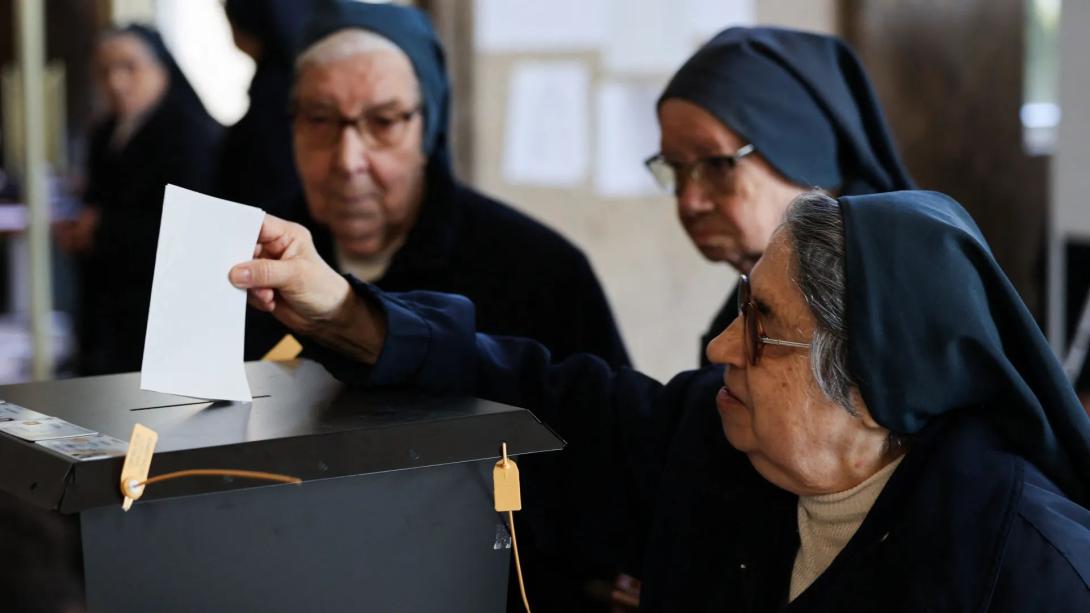
Lisbon 18 January, 2026 — Portugal votes today with André Ventura standing at the center of the storm — first in the polls, loudest in the campaign, and almost certain to reach the runoff. And yet, hovering over his momentum is a paradox that defines this election: Ventura is leading the race he is still unlikely to win.
As polling stations open across Portugal, surveys and forecasts converge on one point: Ventura is expected to finish first or very close to first in the opening round, but well below the 50% threshold needed to win outright. With a fragmented field and multiple mainstream candidates dividing the vote, a second round on 8 February is not just probable — it is almost inevitable.
This is where the music changes.
Polls consistently show Ventura carrying the highest rejection rate among major candidates. His support is intense, loyal, and energized — but it is also narrow. In a head-to-head runoff, most polling scenarios suggest that voters who did not choose Ventura in the first round are more likely to unite against him than rally to him.
In other words: today rewards enthusiasm.
The second round rewards acceptability.
Portugal’s presidential system has a quiet but powerful tradition: when faced with a polarizing finalist, the electorate often consolidates around the alternative, even if that alternative was not the first choice of many voters.
Current polling analysis points to a recurring pattern:
- Ventura comfortably reaches the second round
- His opponent — whether from the centre-left, centre-right, or an independent figure — becomes the vessel for a broad anti-Ventura coalition
- Transfer votes from eliminated candidates flow overwhelmingly away from him
Several surveys model second-round matchups where Ventura loses despite leading the first round, a scenario political scientists describe as “first-round strength, second-round vulnerability”.
This doesn’t make his campaign weak — it makes it bounded.
What tonight really decides
Tonight’s results will not crown a president. They will decide who faces Ventura — and that question may matter more than who tops the first round.
If Ventura’s opponent is perceived as calm, institutional, and broadly acceptable, the runoff dynamic hardens against him. The second round becomes less about ideology and more about reassurance, stability, and limits.
And yet, the story is not finished. Two weeks separate momentum from memory. Turnout can shift. Anger can mobilize. Silence can surprise.
A historic moment, even without victory
Whether or not he ever enters Belém Palace, Ventura has already reshaped Portuguese politics. A far-right candidate leading a presidential first round was once unthinkable. Today, it is reality.
But the deeper truth of this election is poetic and political at once:
Portugal may allow Ventura to lead — but not to rule.
The ballots cast today open the door to the runoff. The ballots cast in February will decide whether that door ultimately closes.
- Log in to post comments